Integrating the Macaw 3D Cracked Hole Tumbler Wrap 1 into Your Sublimation Workflow
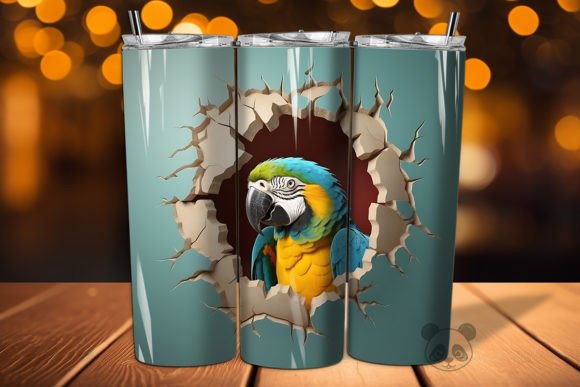
In the competitive landscape of custom drinkware production, the difference between a standard product and a best-seller often lies in the quality and uniqueness of the design asset. For sublimation professionals, hobbyists, and small business owners, sourcing high-resolution, ready-to-print graphics is a critical step in the manufacturing pipeline. The Macaw 3D Cracked Hole Tumbler Wrap 1 represents a specific type of digital asset designed to streamline this process. It is not merely an image file; it is a pre-engineered component intended to fit precisely within the constraints of a 20 oz skinny tumbler, reducing the time spent on layout adjustments and allowing the creator to focus on production efficiency and quality control.
Understanding how to integrate a digital download like the Macaw 3D Cracked Hole Tumbler Wrap 1 into a broader creative or business workflow requires a shift in perspective. Instead of viewing the purchase as the end of the design phase, it should be seen as the acceleration of the pre-production stage. This article explores the practical application of this specific 3D bird watercolor design, detailing how it fits into preparation, printing, and final assembly processes while highlighting the technical considerations necessary for professional results.
The Role of Pre-Made Assets in Production Planning
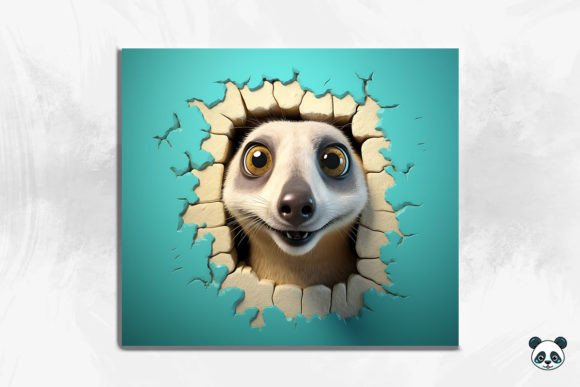
For entrepreneurs and freelancers managing tight deadlines, the time spent creating complex patterns from scratch can be a bottleneck. A seamless pattern featuring a 3D bird design with a cracked hole effect eliminates the need for manual illustration or complex vector tracing. When you acquire the Macaw 3D Cracked Hole Tumbler Wrap 1, you are essentially outsourcing the most time-consuming part of the visual development: the creation of a seamless, high-resolution texture that wraps perfectly around a cylindrical object.
This asset fits into the workflow immediately after the decision to produce a specific line of tumblers has been made. In a typical project lifecycle, this occurs during the prototyping or inventory planning phase. By utilizing a file that is already sized at approximately 9.3 x 8.2 inches with a resolution of 300 DPI, you bypass the trial-and-error period of sizing images to prevent pixelation or stretching. The file is optimized for the surface area of a straight 20 oz skinny tumbler, meaning the scaling factors are already calculated. This allows for immediate transition to the printing queue, significantly reducing the turnaround time between concept and physical product.
Technical Preparation and File Management
Before the printer ever heats up, effective file management is essential. The Macaw 3D Cracked Hole Tumbler Wrap 1 is delivered as a PNG file within a ZIP archive. Upon instant digital download, the first step in your workflow should be organization. Create a dedicated folder for this specific design series. Inside, store the original ZIP file as a backup and extract the PNG for immediate use. Maintaining the integrity of the original 300 DPI file is crucial; never save over the master copy with lower-resolution versions generated during test prints.
Compatibility is another key factor. While PNG is a universally accepted format, ensuring your sublimation software (such as Photoshop, Illustrator, or specialized RIP software) is configured to handle transparency and color profiles correctly is vital. The "cracked hole" effect in this design likely relies on transparent areas or specific layer blending to create depth. If your workflow involves adding text or additional elements, import the Macaw wrap as a base layer. Because the design features a 3D bird and watercolor textures, it possesses significant visual depth. Adding flat, opaque text directly over the busiest parts of the bird imagery can reduce legibility. Instead, plan your layout to utilize negative space or add a subtle backing shape to ensure any personalized names or logos remain readable against the intricate background.
Execution: From Digital File to Physical Product
Once the file is prepared, the execution phase begins. This is where the theoretical benefits of using a pre-sized wrap translate into tangible efficiency. Since the Macaw 3D Cracked Hole Tumbler Wrap 1 is designed for a 20 oz skinny tumbler, the physical application process is straightforward. However, successful sublimation relies on more than just hitting "print."
Printer Calibration: Before running a full batch, always perform a test print on standard paper to check color accuracy. Watercolor styles and 3D shading can sometimes shift during the heat transfer process, often becoming more vibrant or slightly darker. Adjust your printer's color profile accordingly. The rich colors of a macaw require precise cyan and magenta balance to avoid shifting towards purple or teal.
Wrapping Technique: The "seamless pattern" aspect of this design is particularly forgiving if your alignment is slightly off, but for a professional finish, aim for precision. Use heat-resistant tape to secure the sublimation paper tightly around the tumbler. Any gaps between the paper and the metal surface will result in ghosting or blurred lines, which would detract from the crispness of the 3D bird details. Ensure the wrap is smooth and free of wrinkles before placing it in the convection oven or using a tumbler press.
Heat Press Settings: Adhere strictly to the time and temperature recommendations for your specific blank supplier. While the digital file provides the visual data, the physical blank dictates the thermal requirements. Over-pressing can cause the colors to burn, losing the subtle gradients in the watercolor background, while under-pressing may result in a washed-out appearance where the "cracked" details fail to pop.
Quality Control and Consistency
In a business environment, consistency is the metric of success. When using the Macaw 3D Cracked Hole Tumbler Wrap 1 for multiple units, implement a quality control checkpoint after every five to ten items. Inspect the seam alignment, color vibrancy, and clarity of the 3D effects. Because this is a digital download, you have the advantage of infinite reproducibility. If a batch fails due to printer error or heat inconsistency, you do not need to redesign the graphic; you simply reprint the wrap. This reliability makes such assets ideal for scaling operations.
Furthermore, consider the longevity of the design in your catalog. Trends in home decor and drinkware shift, but nature-inspired themes like birds and watercolor textures tend to have enduring appeal. By securing a high-quality asset like this, you are investing in a design that can serve as a staple in your product lineup for months or years. It can be easily adapted for seasonal promotions—for instance, marketing it as a spring collection item or pairing it with complementary solid-color lids to create bundled offers.
Expanding the Workflow: Variations and Customization
While the Macaw 3D Cracked Hole Tumbler Wrap 1 is a complete design on its own, it also serves as a versatile foundation for further customization. Advanced users might incorporate this background into larger composite projects. For example, you could combine this wrap with a matching coaster design or a laptop skin, creating a cohesive brand aesthetic across different products. The seamless nature of the pattern allows it to be tiled or cropped for smaller items without losing visual continuity.
Additionally, this asset supports a "print-on-demand" model effectively. Since there are no physical inventory costs associated with the design file itself, you can list the finished tumbler on various marketplaces only after an order is placed. This reduces financial risk and storage requirements. The instant download feature ensures that as soon as a trend spikes, you can have the product listed and ready for production within minutes, capitalizing on market momentum faster than competitors who rely on custom illustration timelines.
Final Thoughts on Integration
Integrating the Macaw 3D Cracked Hole Tumbler Wrap 1 into your routine is less about the act of downloading a file and more about optimizing your entire production chain. It removes friction from the design phase, ensures technical compatibility through standardized sizing, and provides a high-fidelity visual that enhances the perceived value of the final product. Whether you are a solo creator looking to expand your portfolio or a small business owner aiming to increase output volume, leveraging high-quality, pre-made sublimation designs is a strategic move. It allows you to allocate your energy toward marketing, customer service, and refining your pressing techniques, rather than getting bogged down in the minutiae of pattern creation. By treating these digital assets as integral components of your workflow, you build a more resilient, efficient, and creative operation.